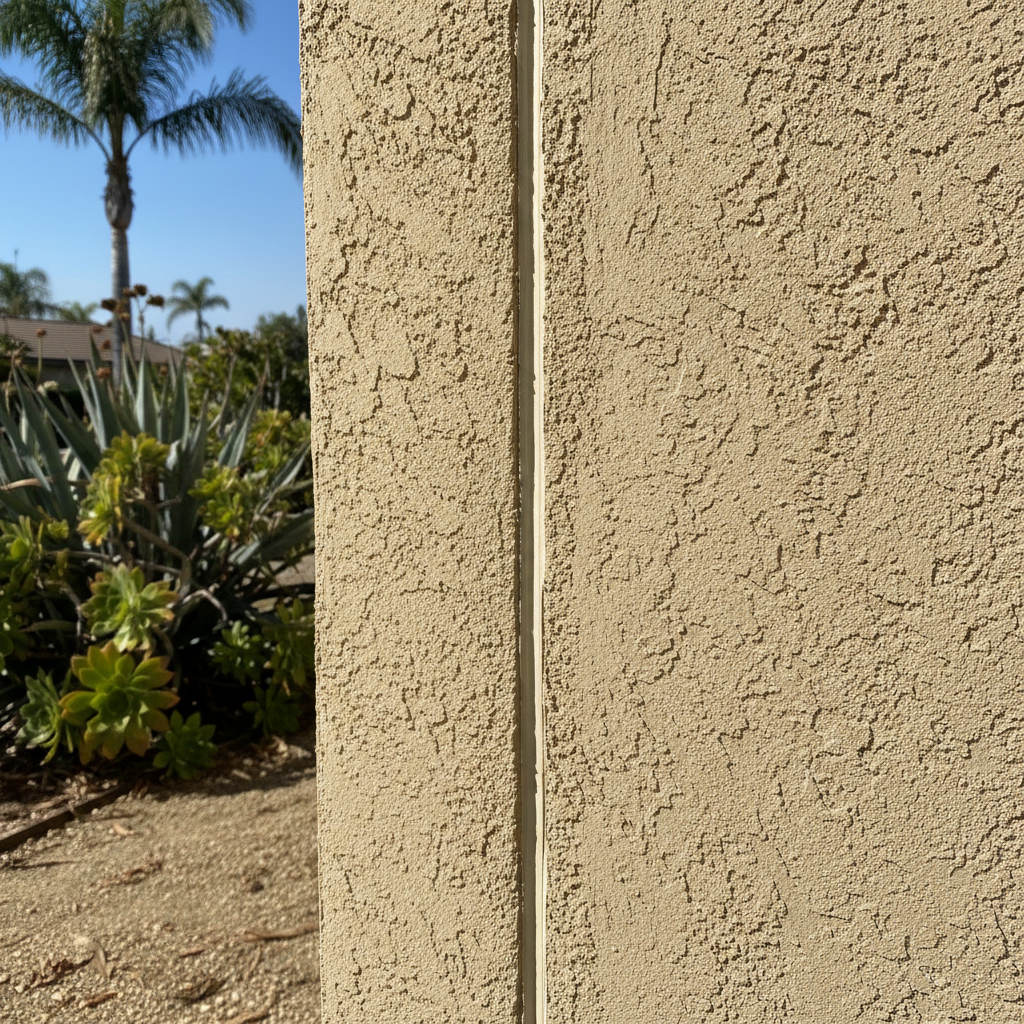
Your stucco's seen better days, hasn't it? Maybe it's got cracks big enough to lose a small lizard in, or it just looks tired and faded. Whatever the reason, you're probably thinking about stucco replacement. That's a big job, and honestly, it's not something you want to mess up. I've been doing this for years here in Anaheim, and I've truly seen it all. So, let's talk about what you really need to know.
Before You Start: Planning & Assessment
First off, figure out why you're replacing it. Is it just cosmetic, or do you have bigger problems, like water getting in? If you've got water damage, that's a whole different ballgame. You'll need to fix those underlying issues – things like leaky windows or flashing problems – before you even think about new stucco. Otherwise, you're just putting a band-aid on a broken leg, right?
You also need to decide if you're doing a full tear-off or just re-stuccoing over what's already there. A full tear-off means we remove all the old stucco right down to the sheathing. This costs more and takes longer, sure, but it lets us inspect the wall structure, replace any damaged wood, and make sure the waterproofing is done right. If your stucco is old, has multiple layers, or shows clear signs of major cracking and water damage, a tear-off is usually the smarter move. Trying to patch over big issues just kicks the can down the road, and nobody wants that.
For homeowners, you can definitely do some of the initial assessment yourself. Take a walk around your house. Look for:
- Hairline cracks are normal, but wide, spiderweb, or stair-step cracks near foundations or windows are big red flags.
- Stains or discoloration, especially below windows or up near the roofline.
- Soft spots or bulging areas – gently push on the stucco. If it feels spongy, you've got problems.
- Any signs of mold or mildew on the interior walls that seem to line up with exterior stucco issues.
If you find any of these, especially those soft spots or interior mold, you're probably looking at a tear-off. Don't try to DIY that kind of structural investigation. That's when you call a pro like us at Anaheim Stucco & Plastering.
During the Project: What to Expect
Okay, so you've decided to move forward. What happens next? If you're doing a full tear-off, it's going to get messy. There's dust, debris, and noise. We'll protect your landscaping, of course, but expect some disruption. Once the old stucco is off, we'll inspect the sheathing, repair any damaged wood, and then apply new weather-resistive barriers (WRBs), lath, and finally, the stucco coats.
This really isn't a DIY project for most folks. Applying stucco correctly is both an art and a science. You need to know about proper layering, curing times, and how to get a consistent finish. If you've never done it before, you're likely to end up with an uneven surface, poor adhesion, or even cracks down the road. Plus, getting the right materials and equipment can be expensive for a one-off job, believe me.
However, if you're just doing a small patch or a cosmetic re-stucco over a solid existing base, some handy homeowners *might* tackle it. But be realistic about your skills. Even a small area can look terrible if it doesn't match the rest of the house. And remember, the Anaheim sun and dry climate mean stucco cures fast, so you need to work quickly and efficiently.
After the Project: Maintenance & Care
Once your new stucco is up, it's not a set-it-and-forget-it deal. While stucco is incredibly durable, it still needs a little love. Here's what you can do:
- Keep it clean: Wash your stucco periodically with a soft brush and mild detergent. Don't use a high-pressure washer too close; it can damage the finish.
- Watch for cracks: Small hairline cracks can appear over time, especially with our temperature swings here in Southern California. Fill these promptly with an elastomeric stucco patch to prevent water from getting in.
- Maintain landscaping: Keep bushes and trees trimmed away from the stucco. This prevents moisture buildup and keeps pests from getting too cozy.
- Check your sprinklers: Make sure your sprinklers aren't constantly soaking the stucco. Consistent moisture can lead to efflorescence (those white mineral deposits) or even mold. I've seen plenty of homes in areas like the Platinum Triangle where sprinklers hitting the wall cause issues over time, which is a shame.
A good stucco job should last decades, but proper maintenance is key. If you see anything concerning, or if you're unsure about a repair, don't hesitate to call us. It's always better to address small issues before they become big, expensive problems. We're here to help keep your home looking good and protected for years to come.